Lectureship Award MBLA Winners
Lectureship Award MBLA 2025 Winners

Dr. Harunobu Mitsunuma
Assistant Professor, Graduate School of Pharmaceutical Sciences, The University of Tokyo
Research subject:
Development of catalyst systems enabling sp3 C‒H functionalization reactions
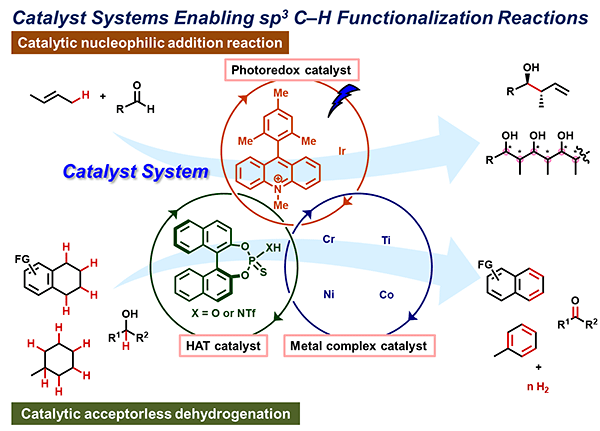
Dr. Mitsunuma has made pioneering contributions to catalytic sp³ C–H activation through his development of a cooperative catalyst system in which distinct catalysts operate synergistically. This strategy enabled mild sp³ C–H functionalization that combines high stereocontrol with high functional group compatibility. In particular, his ternary catalytic platform integrating a hydrogen atom transfer catalyst, a metal complex catalyst, and a photoredox catalyst has realized unprecedented transformations, including nucleophilic addition reactions in which simple hydrocarbons serve directly as nucleophiles, as well as highly mild catalytic acceptorless dehydrogenation. These achievements redefine the possibilities of sp³ C–H activation and open new directions for catalytic molecular synthesis.
Lectureship Award MBLA 2024 Winners

Dr. Koji Kubota
Associate Professor, Faculty of Engineering Hokkaido University
Research subject:
Pioneering Solid-State Organic Synthetic Chemistry Using Mechanochemical Methods
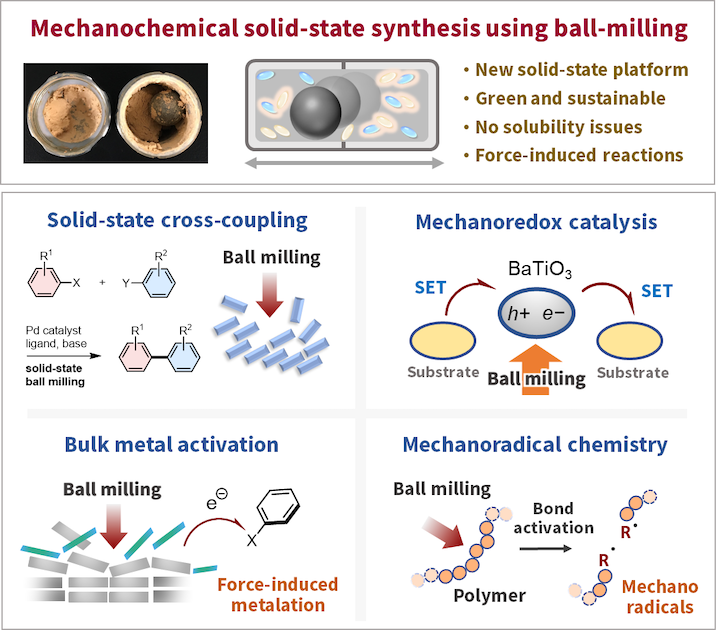
Dr. Kubota has pioneered solid-state organic synthetic mechanochemistry by utilizing innovative solid-state ball-milling techniques. His research group has developed conceptually new synthetic approaches that leverage the solvent-free environment of ball milling, enabling new solid-state molecular transformations with remarkable efficiency and sustainability. His findings highlight the transformative potential of mechanochemistry in solid-state cross-coupling, mechanoredox catalysis using piezoelectric materials, bulk-state metal activation for the generation of new organometallic species, and mechanoradical chemistry with polymers. These achievements paved the way for the development of novel strategies to harness solid-state environments and mechanical force for organic synthesis.
Lectureship Award MBLA 2023 Winners

Dr. Yoichi Hoshimoto
Associate Professor, Faculty of Engineering Osaka University
Research subject:
Exploring Novel Strategies for Harnessing ‘Molecular Frustration’ in Main-Group-Catalyzed Organic Synthesis
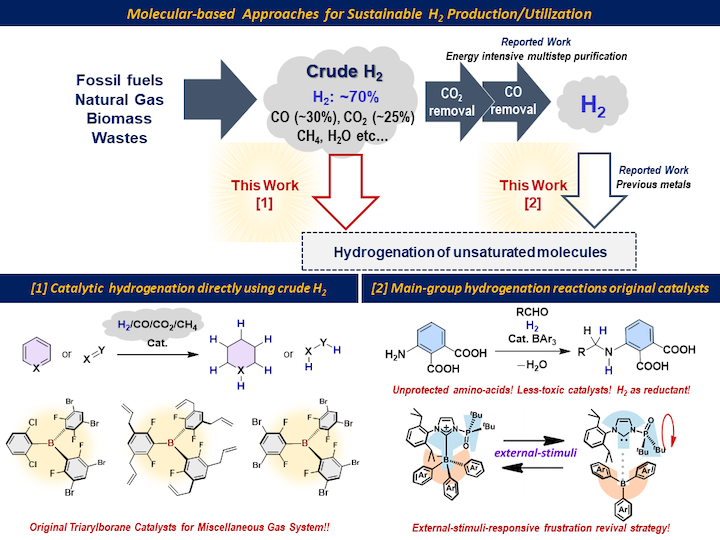
Dr. Hoshimoto has achieved the direct use of crude H2 (gaseous mixtures including CO and CO2) for the catalytic hydrogenation of unsaturated molecules using our original BAr3, which was successfully applied for the construction of a molecular-based H2 purification system. Additionally, his group has achieved BAr3-catalyzed reductive functionalization of amino acids and peptides with H2, producing only H2O as a byproduct. His group is also interested in designing and utilizing external-stimuli-responsive carbenes, i.e., their original N-phosphine oxide-substituted NHCs (PoxIms) in main-group and organometallic chemistry fields. These achievements pave the way to developing novel strategies to use main-group and organometallic species in organic synthesis.
Lectureship Award MBLA 2022 Winners
Dr. Kenzo Yamatsugu
Professor, Graduate School of Pharmaceutical Sciences, Chiba University
Research subject:
Chemical Catalysis Enabling Synthetic Intervention in Cellular Epigenome
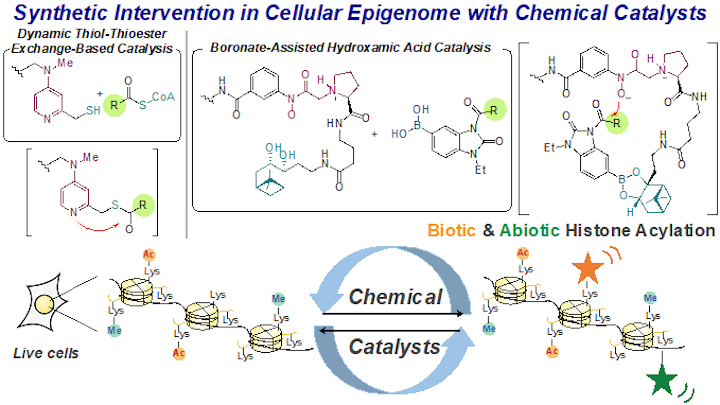
Dr. Yamatsugu has pioneered a new way of synthetically manipulating the cellular epigenome with chemical catalysts. He has developed several catalyst systems based on nucleophilic catalysis and dynamic covalent bonds for the introduction of natural and abiotic post-translational modifications to proteins in living cells in place of enzymes. Synthetic histone lysine acylation introduced by his catalyst in living cells changes the cellular epigenome in a truly chemical manner. His work demonstrates a new type of synthetic chemistry for intervention in the cellular chemical networks.
Lectureship Award MBLA 2021 Winners
Dr. Masakazu Nambo
Designated Associate Professor, Institute of Transformative Bio-Molecules, Nagoya University
Research subject:
New Transformations of Organosulfones through C–SO2 Bond Activation
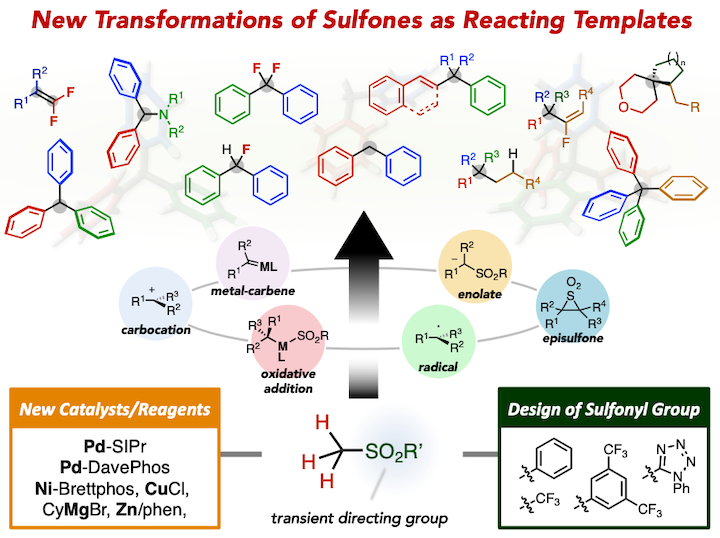
Dr. Nambo has established new synthetic strategies employing organosulfones as reacting templates for the modular and straightforward synthesis of complex structures from simple and readily available materials. To activate less reactive carbon–sulfonyl bond, Dr. Nambo has demonstrated that not only the development of new catalysts and reagents but also the design of sulfonyl group is critically important. His work highlights the unique property of sulfonyl group as a transient directing group to construct valuable molecules by sequential functionalizations of sp3 carbon centers.
Lectureship Award MBLA 2020 Winners
Dr. Kohsuke Ohmatsu
Professor, Faculty of Science and Technology, Keio University
Research subject:
Exploiting Ionic Molecules for Hitherto Difficult Catalytic Transformation
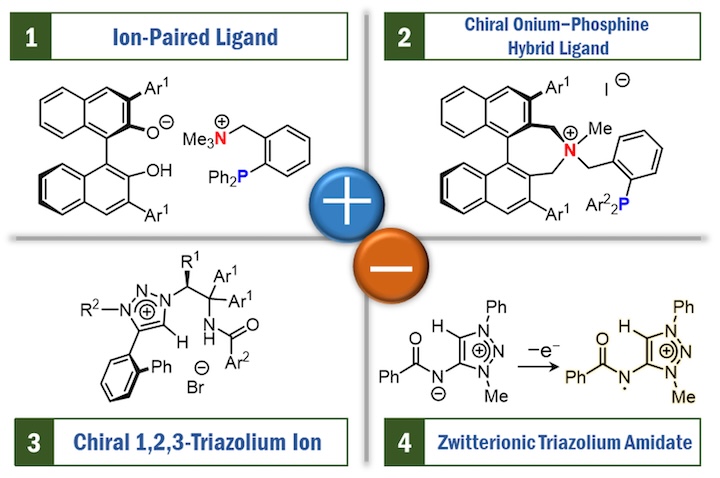
Dr. Ohmatsu has developed novel ionic ligands and ionic organocatalysts: 1) ion-paired ligand consisting of cationic achiral phosphine and chiral anion; 2) chiral onium−phosphine hybrid ligand; 3) chiral 1,2,3-triazolium ion having strong anion-binding ability. These catalysts enabled challenging asymmetric transformations such as construction of contiguous all-carbon quaternary stereocenters. He also developed a unique ionic radical catalyst: 4) zwitterionic triazolium amidate that allowed for efficient C(sp3)−H alkylation of various organic compounds.
Lectureship Award MBLA 2019 Winners
Dr. Koji Hirano
Professor, Department of Applied Chemistry, Graduate School of Engineering, Osaka University
Research subject:
Development of New Bond Forming Strategies by Extended Umpolung
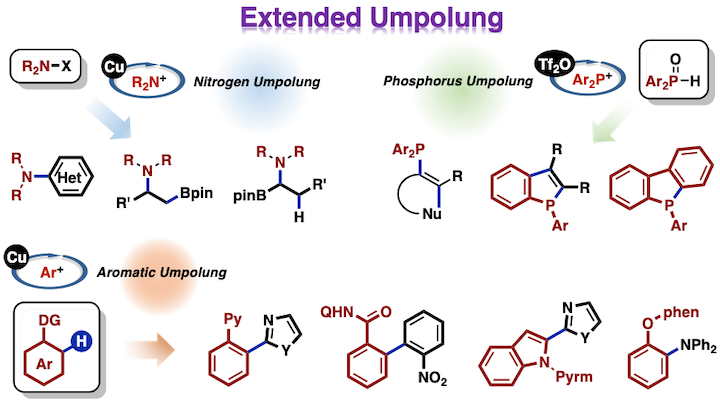
Dr. Hirano has extended the concept of traditional carbonyl umpolung to aromatic compounds as well as heteroatom species and developed new C–C and C–heteroatom bond forming strategies: 1) direct aromatic couplings via Cu- mediated C–H activation; 2) highly regio- and enantioselective aminoboration and hydroamination of alkenes via Cu-mediated electrophilic amination; 3) C–C/C–P bond forming sequence and rapid construction of phospholes via Tf2O-mediated electrophilic phosphination. These studies enable the otherwise challenging molecular transformations and greatly contribute to the development of organic synthetic chemistry.
Lectureship Award MBLA 2018 Winners
Dr. Aiko Fukazawa
Professor, Institute for Integrated Cell-Material Sciences (iCeMS), Institute for Advanced Study, Kyoto University
Research subject:
Development and Exploration of the Function of Novel π-Electron Systems Based on the Characteristics of Third-Row Main-Group Elements
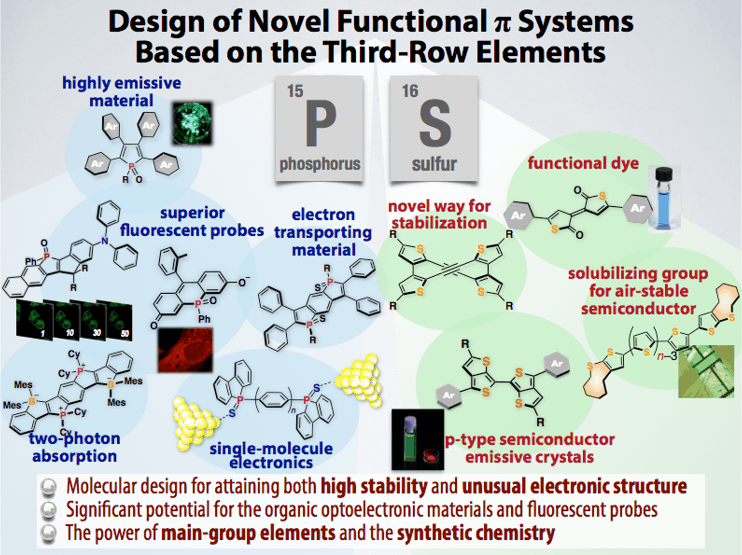
Dr. Fukazawa has developed a number of novel p-electron systems with optical and/or electronic functions by utilizing latent characteristics of third-row main-group elements such as phosphorus and sulfur. These studies not only led to the generation of several outstanding functional materials including fluorescent probes with exceptional photostability, NIR-emissive yet stable fluorophores, two-electron-absorbing dyes, and solution-processable semiconductors, but also provided various new concepts in the rational molecular design of functional p-electron systems.
Lectureship Award MBLA 2017 Winners

Dr. Naoya Kumagai
Professor, Faculty of Pharmacy, Keio University
Research subject:
A New Frontier of Amide Chemistry
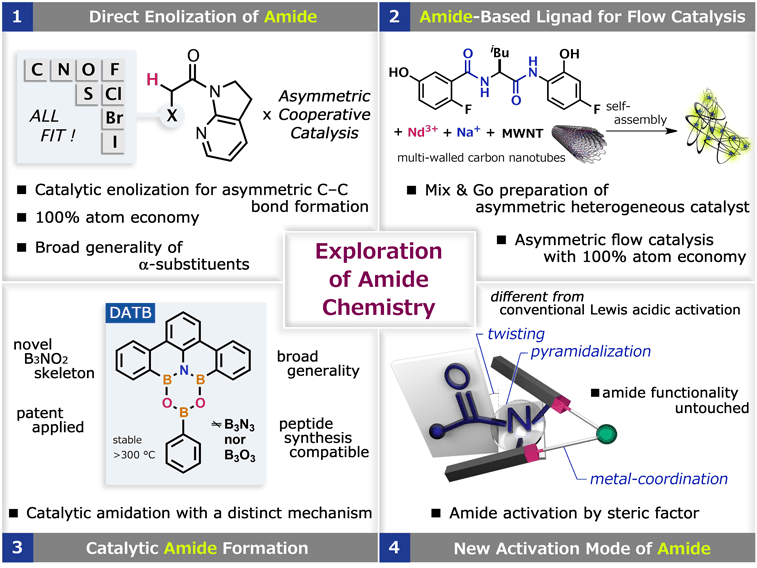
Dr. Kumagai has developed 4 key organic transformations focused on the amide functionality that were previously elusive: 1) direct enolization of amide for asymmetric C–C bond formation; 2) identification of a chiral amide-based ligand for asymmetric flow-reactions; 3) direct amide-forming reactions using a novel catalyst containing a distinctive B3NO2 heterocycle; 4) a new amide activation strategy by means of amide-twisting caused by remote steric constraint. These transformations unraveled new and neglected aspects of the amide functionality to foster further development.
Lectureship Award MBLA 2016 Winners
Dr. Tomoki Ogoshi
Professor, Graduate School of Engineering, Kyoto University
Research subject:
Synthesis of Pillar-Shaped Macrocyclic Compounds “Pillar[n]arenes” Providing Supramolecular Assemblies
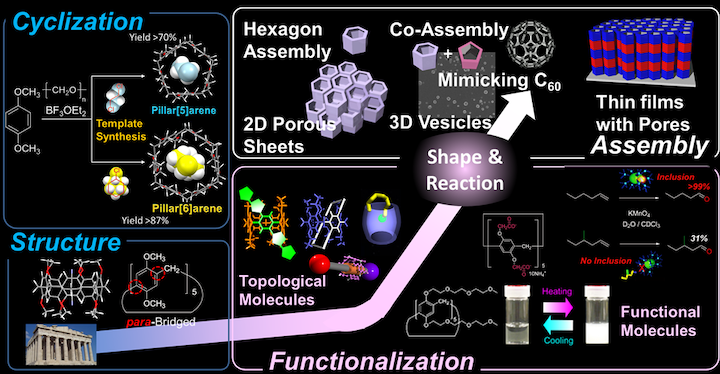
Dr. Ogoshi has developed a new class of macrocyclic hosts named “pillar[n]arenes”. They have unique symmetrical pillar structures due to their para-bridge linkage. Linear 1,2-dichloroethane and bulky chlorocyclohexane acted as template solvents for high-yield synthesis of pillar[5]- and pillar[6]arenes, respectively. Dr. Ogoshi has synthesized various topological and functional molecules based on functionality of pillar[n]arenes, and constructed 2D sheets and 3D vesicles based on geometric assemblies of their pentagonal and hexagonal structures.
Lectureship Award MBLA 2015 Winners

Dr. Satoshi Maeda
Professor, Department of Chemistry, Faculty of Science, Hokkaido University
Research subject:
Development of Automated Reaction Path Search Methods toward Systematic Understanding and Design of Organic Reactions
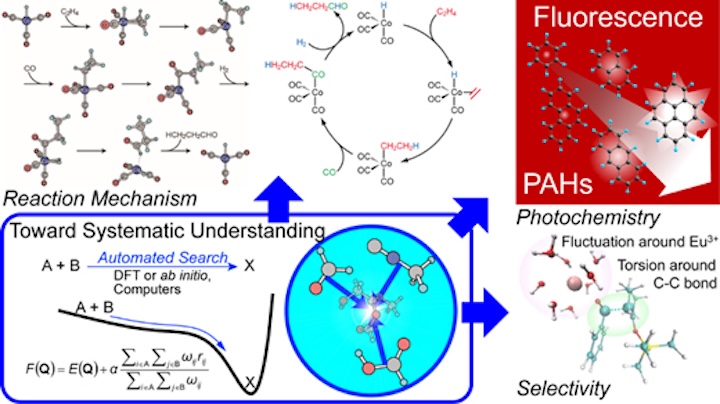
The geometry optimization has become a powerful tool to study mechanisms of chemical reactions theoretically. However, it requires some guesses about the mechanism. To study highly complicated multistep mechanisms and reactions for which few previous knowledge is available, fully automated methods that can find both expected and unexpected pathways have been desired. Dr. Maeda has worked on development of such theoretical approaches. His methods have been utilized in studies of a variety of chemical reactions for systematic understanding of their reaction mechanism, selectivity, optical response, etc.
Lectureship Award MBLA 2014 Winners

Dr. Jun Takaya
Professor, Graduate School of Engineering Science, Osaka University
Research subject:
Development of New Synthetic Reactions Catalyzed by a Transition Metal Complex Featuring Fluxional Behavior of a Silyl-Ligand
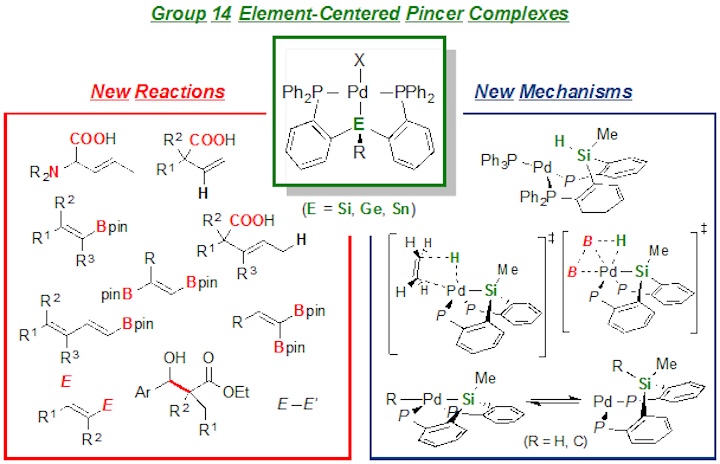
Development of multi-functional ligand for transition metal catalyst is an important challenge to achieve efficient synthetic transformations of unreactive molecules. Dr. Takaya has developed new synthetic reactions of carbon dioxide and unsaturated hydrocarbons utilizing newly designed palladium catalysts bearing a group 14 element-centered pincer ligand. Mechanistic investigations clarified intermediacy of an unprecedented η2-(Si–H)Pd(0) complex through fluxional behavior of the silyl ligand, which enables unprecedented bond activation/formation mechanisms.
Lectureship Award MBLA 2013 Winners
Dr. Daisuke Uraguchi
Professor, Hokkaido University, Institute for Catalysis
Research subject:
Development of chiral organic ion pair catalysts for controlling reactive ionic intermediates
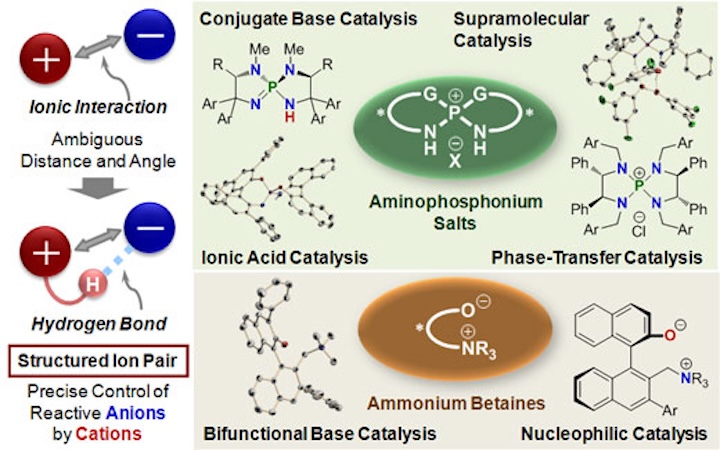
Controlling anionic species by counterions is simplest yet difficult strategy in synthetic chemistry due to ambiguous distance and angle between anions and cations. Dr. Uraguchi has demonstrated that anionic intermediates could be precisely controlled by chiral organic cations through cooperative exploitation of electrostatic and hydrogen-bonding interactions to form “structured ion pair”. Highly chemo- and stereoselective transformations were developed under the unique catalyses of P-spiro aminophosphonium salts and ammonium betaines.
Lectureship Award MBLA 2012 Winners
Dr. Mamoru Tobisu
Professor, Graduate School of Engineering, Osaka University
Research subject:
Catalytic Transformations of Strong σ-Bonds
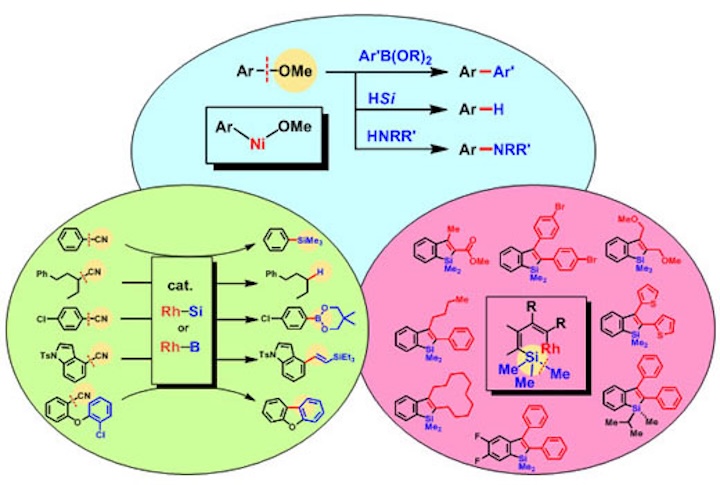
The use of strong chemical bonds in catalytic reactions represents a formidable challenge in pure chemistry and would also be beneficial in applied chemistry for enabling strategic diversity in organic synthesis. Dr. Tobisu has developed a series of catalytic reactions that can directly transform inert carbon‒oxygen, carbon‒cyano and carbon‒silicon bonds into an array of useful compounds.
Lectureship Award MBLA 2011 Winners
Dr. Ryo Shintani
Professor, Graduate School of Engineering Science, Osaka University
Research subject:
Selective Synthesis of Cyclic Compounds under Transition Metal Catalysis
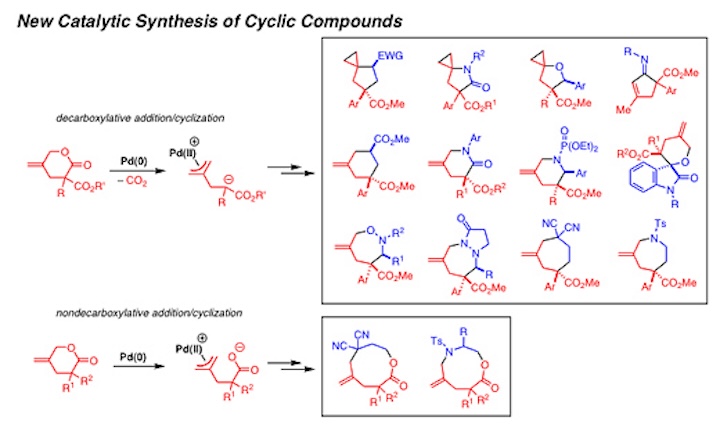
Dr. Shintani designed and utilized new organic reagents for palladium-catalyzed stereoselective intermolecular addition/cyclization reactions, highlighting efficient generation and use of zwitterionic π-allylpalladium intermediates bearing pendant nucleophilic sites. This method allows for the preparation of a diverse array of carbo- and heterocycles that are difficult to synthesize with existing methods, and mechanistic studies on these catalytic reactions have also been successfully carried out.
Lectureship Award MBLA 2010 Winners
Dr. Shigeki Matsunaga
Professor, Department of Chemistry, Graduate School of Science, Kyoto University
Research subject:
Development of Multimetallic Concerto Asymmetric Catalysis Using Multidentate Chiral Ligands
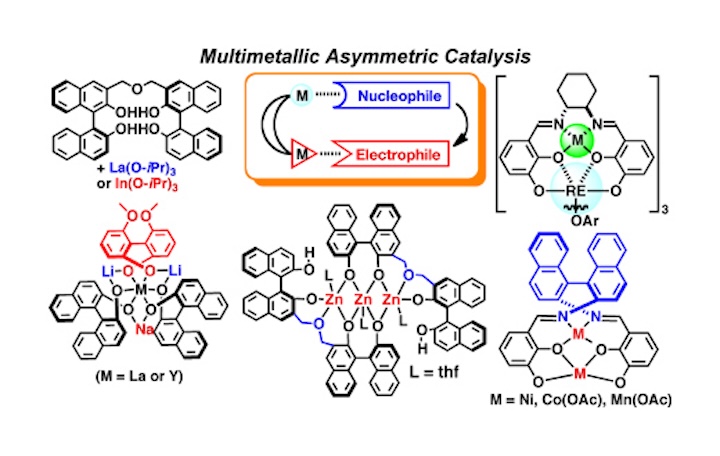
On the basis of the unique design of multi-nucleating chiral ligands, Dr. Matsunaga has developed various types of multimetallic complexes for bifunctional asymmetric catalysis. The suitably aligned metal centers function in concerted fashion, promoting catalytic asymmetric carbon-carbon bond-forming reactions and other reactions in high enantioselectivity. Detailed mechanistic studies as well as synthetic applications to biologically active compounds have also been achieved.
Lectureship Award MBLA 2009 Winners

Dr. Yoshiaki Nakao
Professor, Graduate School of Engineering, Kyoto University
Research subject:
C-C Bond Forming Addition Reactions by Cooperative Metal Catalysis
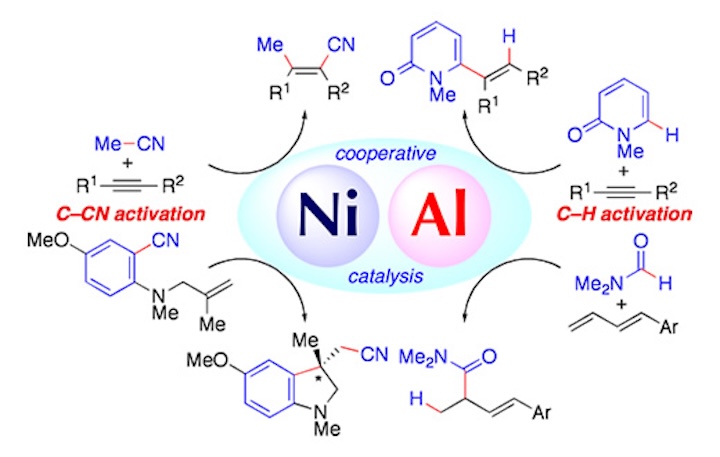
Dr. Nakao has developed new C-C bond forming addition reactions through activation of stable C-H and C-C bonds by cooperative metal catalysis. The achievements involve carbocyanation reactions of unsaturated compounds through activation of C-CN bonds of nitriles by nickel/Lewis acid cooperative catalysis. Hydroarylation and hydrocarbamoylation reactions are also effected by the binary catalysis through C-H activation of pyridines, pyridones, and formamides.
Lectureship Award MBLA 2008 Winners
Dr. Ken Ohmori
Professor, Department of Chemistry, Institute of Science Tokyo
Research subject:
Synthetic Study on Polycyclic Bioactive Natural ProductsTechnical Achievement
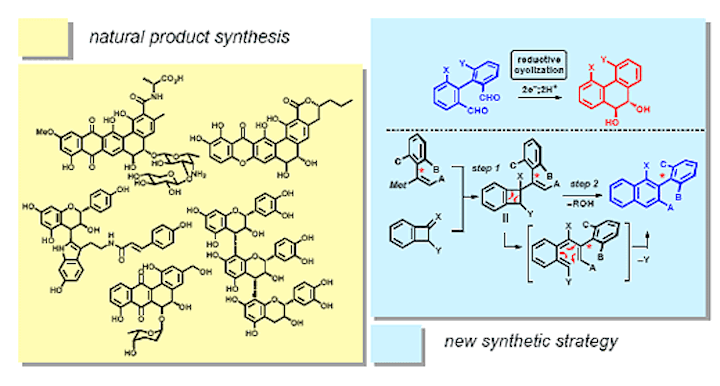
Dr. Ohmori has developed novel synthetic approaches to densely functionalized polycyclic framework embedded in various bioactive natural products. One of major challenges is the total synthesis of the benanomicin-pradimicin antibiotics via the stereo-selective/specific pinacol cyclization transmitting the stereochemical information from an axial to centrals. This approach would serve as a general and practical synthetic way for highly-oxygenated polycyclic natural/unnatural compounds.
Lectureship Award MBLA 2007 Winners
Dr. Kenichiro Itami
Chief Scientist, Molecule Creation Laboratory, RIKEN
Research subject:
Creation of Functional Materials Based on Catalytic Direct Functionalization of Olefins and Aromatics
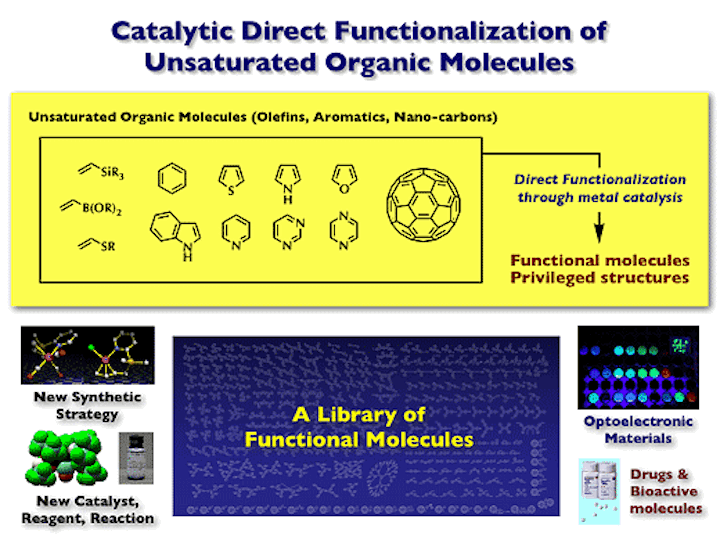
Dr. Itami has developed a number of transition-metal-based catalytic methods that permit efficient functionalization (mainly C-H bond functionalization) of olefins, aromatics, and nano-carbons. These direct and programmable synthetic methodologies not only led to the generation of a number of optoelectronic organic materials and bioactive compounds, but also unlocked opportunities for markedly different strategies in chemical synthesis.
Lectureship Award MBLA 2006 Winners
Dr. Jun Terao
Professor, Graduate School of Art and Sciences, The University of Tokyo
Research subject:
New Methodologies for Carbon-Carbon and Carbon-Silicon Bond Forming Reactions Using Anionic Transition Metal Complexes as Active Catalytic Species
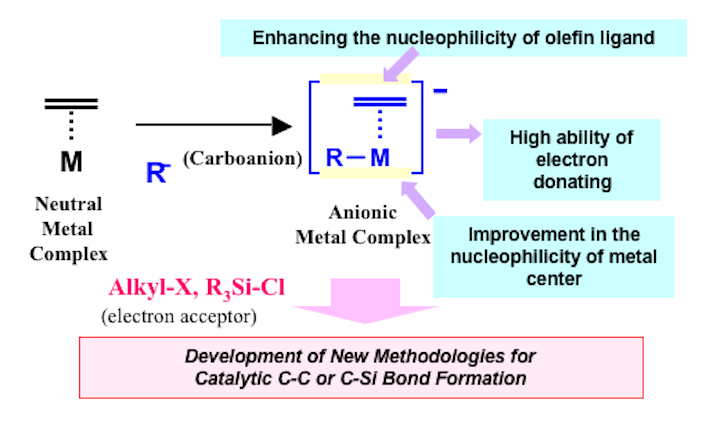
Dr. Terao has developed new methodologies for carbon-carbon and carbon-silicon bond forming reactions using alkyl halides and/or chlorosilanes by drawing focus to these characteristics of an anionic complex. This study will open up a new field of transition metal chemistry providing a unique methodology for introduction of alkyl and silyl groups across carbon-carbon unsaturated units.
Lectureship Award MBLA 2005 Winners
Dr. Motomu Kanai
Professor, Graduate School of Pharmaceutical Sciences, The University of Tokyo
Research subject:
Development of Catalytic Enantioselective Carbon-Carbon Bond-Forming Reactions: Chirality Control for Tetrasubstituted Carbons
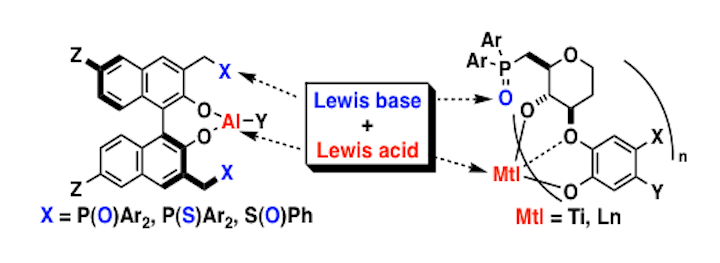
Dr. Kanai’s achievement is the development of Lewis acid-Lewis base bifunctional asymmetric catalysis and soft metal-hard anion conjugated asymmetric catalysis.
Lectureship Award MBLA 2004 Winners
Dr. Masayuki Inoue
Professor, Graduate School of Pharmaceutical Sciences, The University of Tokyo
Research subject:
Total Synthesis of Neuromodulatory Natural Products
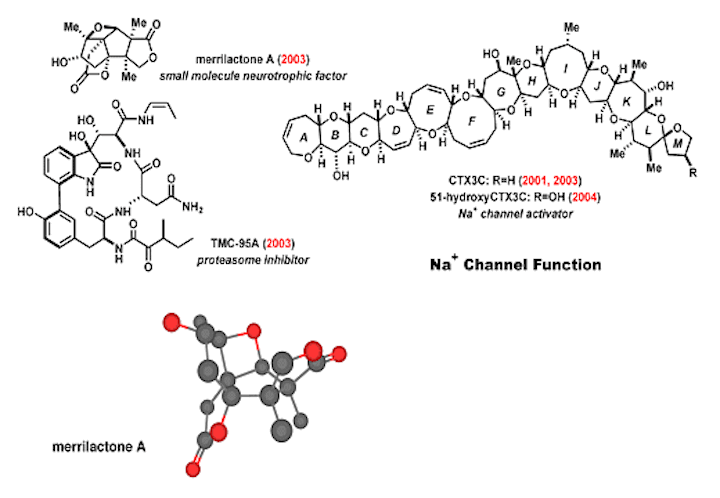
Dr. Inoue’s achievement is the development of efficient methods and strategies for total synthesis of structurally complex and biologically significant natural products such as TMC-95A, merrilactone A, and ciguatoxins.